Copyright © 2026 GALAXIS TECHNOLOGY. All rights reserved.

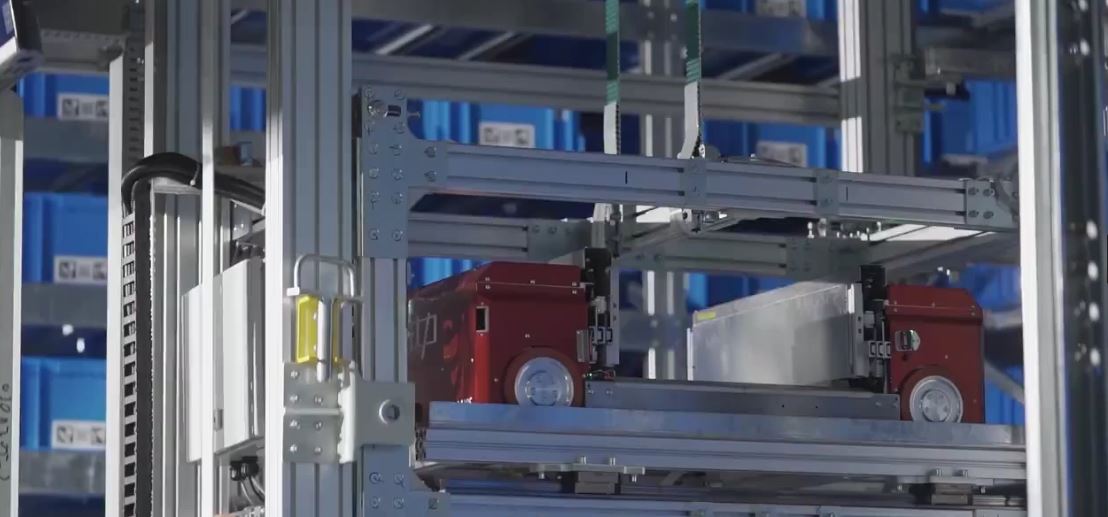
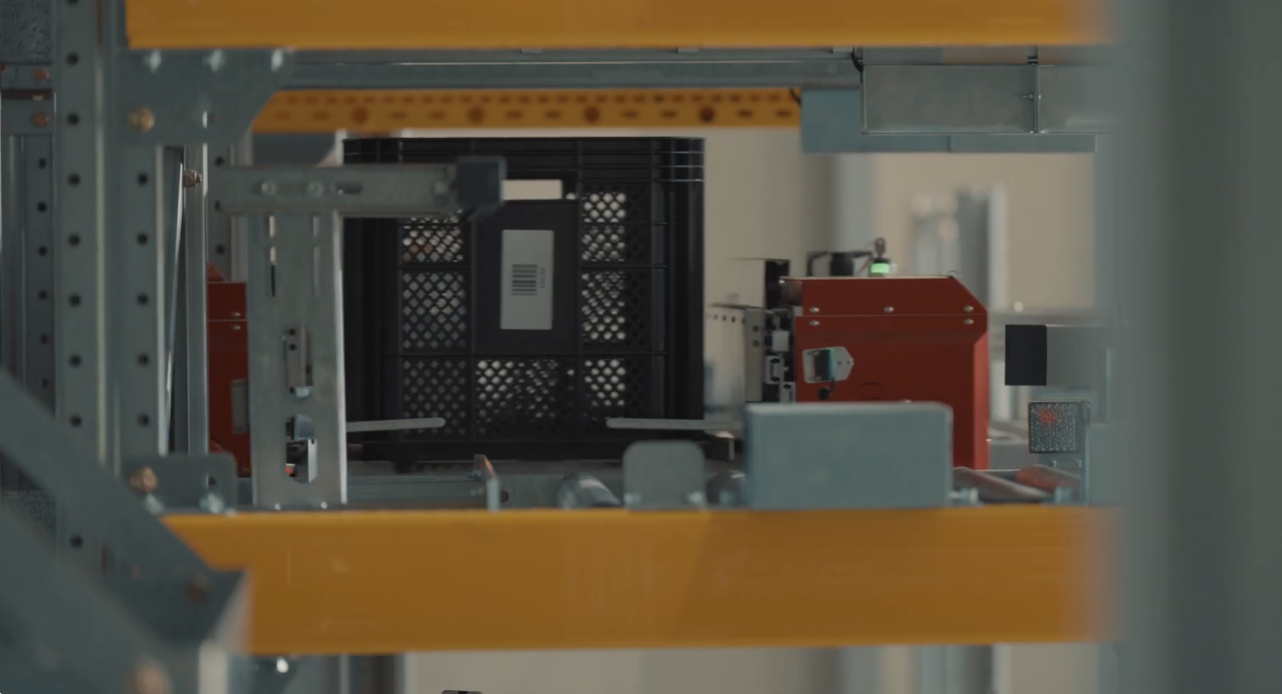
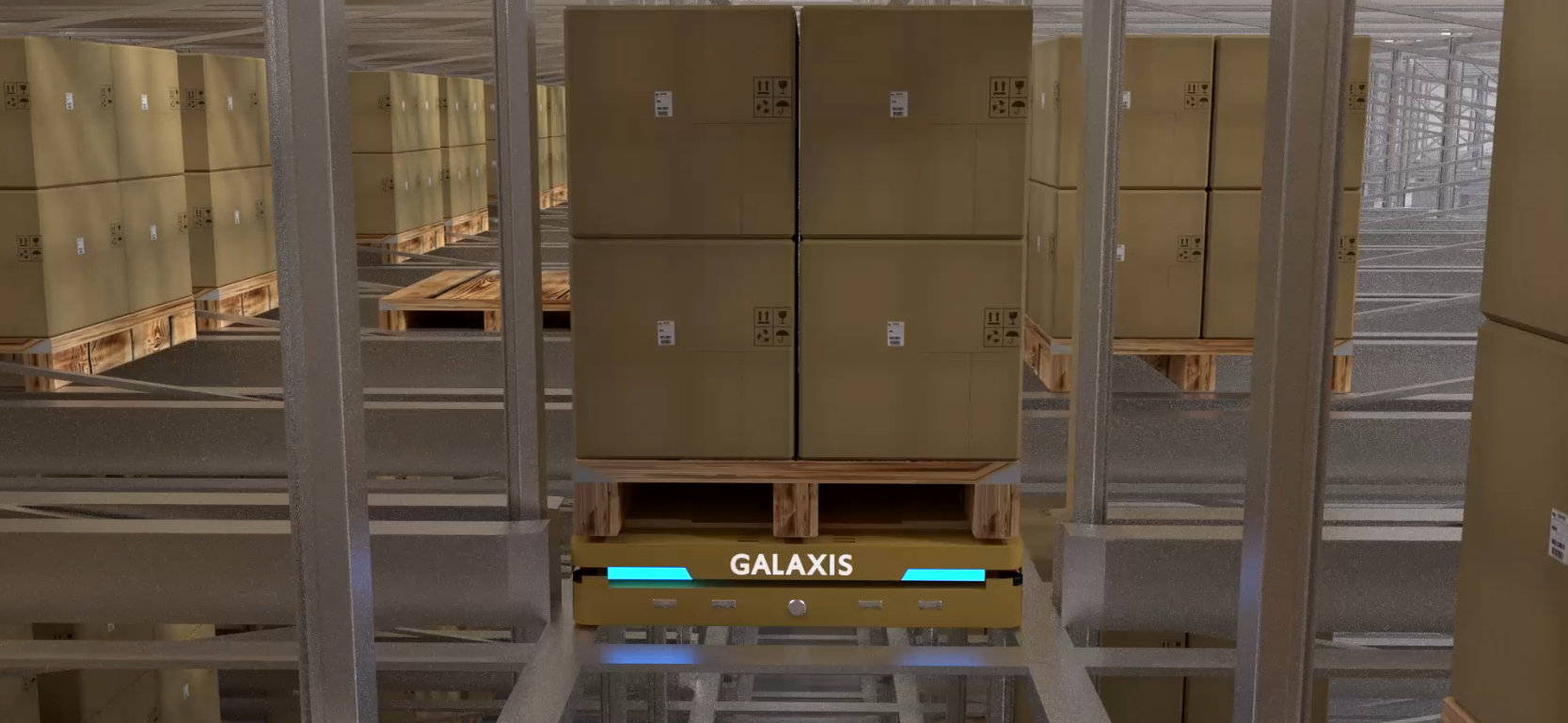
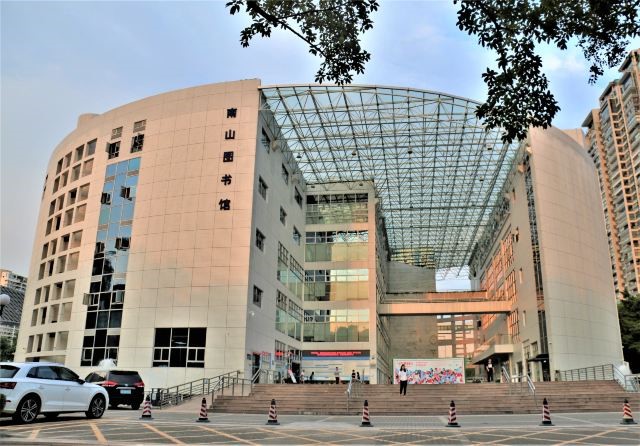
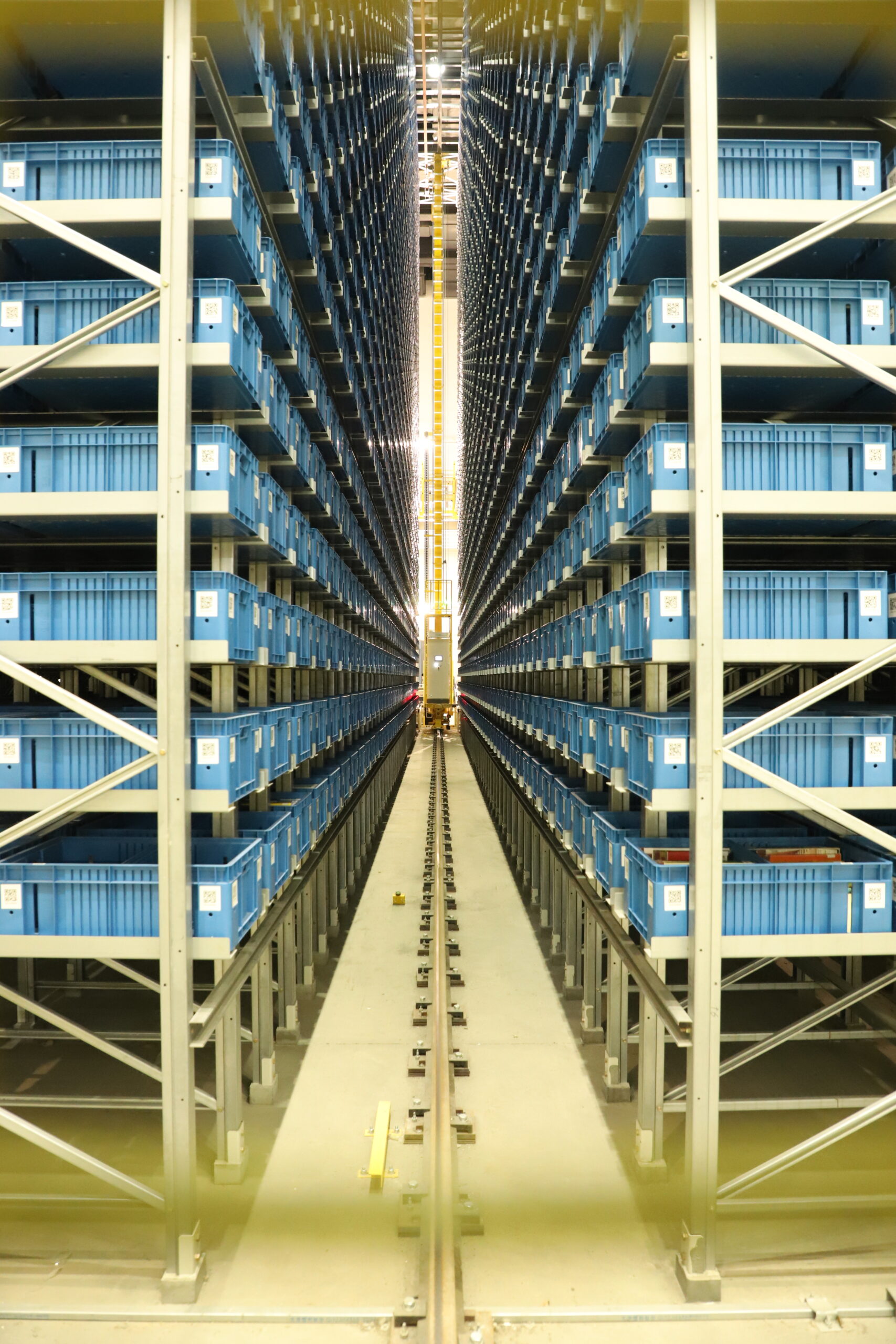
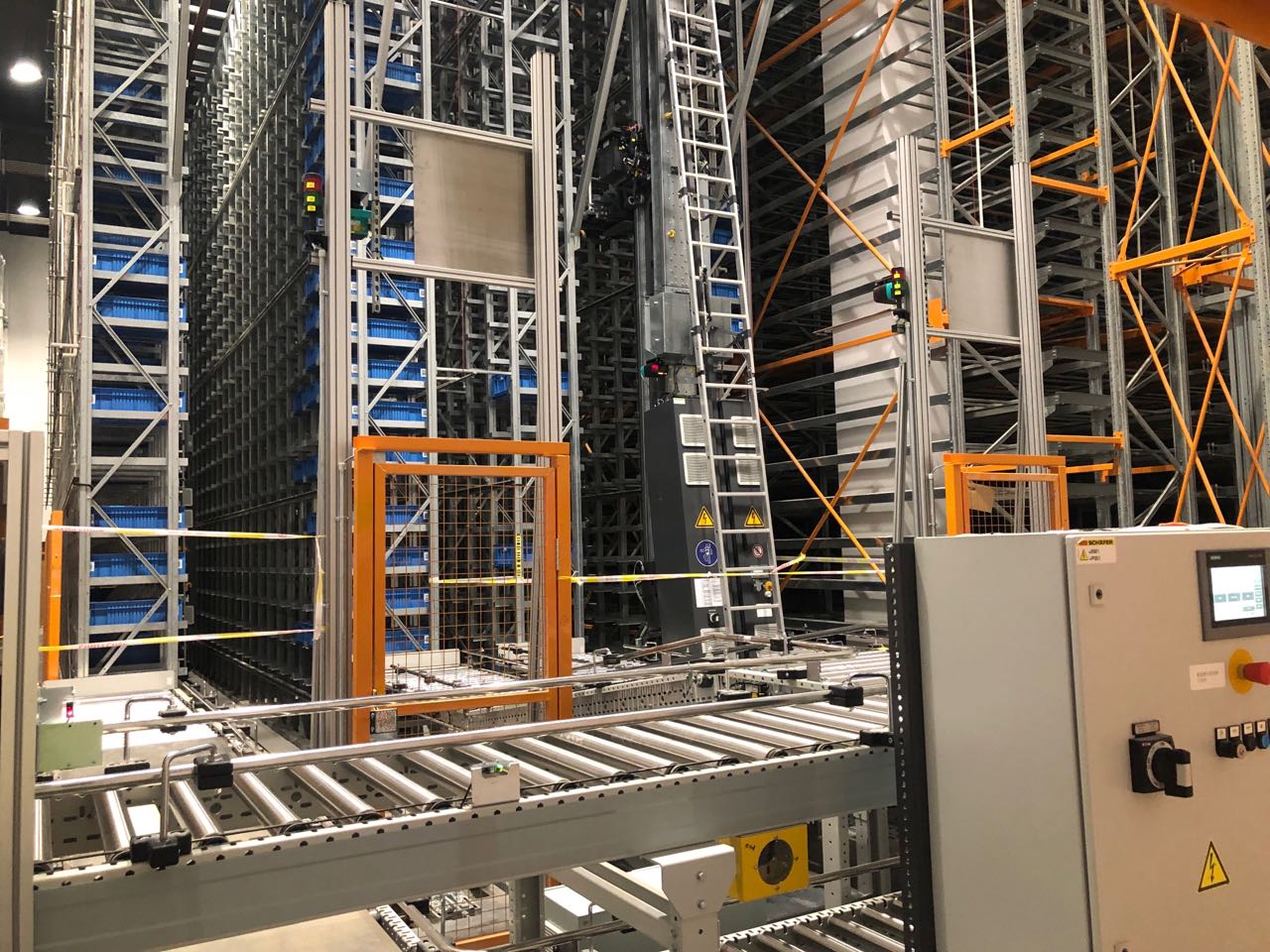
GALAXIS designed and implemented an intelligent library storage solution for Nanshan Library, integrating Multi-Shuttle systems, lift systems, Free Shuttle robots, and WMS to achieve automated book storage, retrieval, and circulation management.
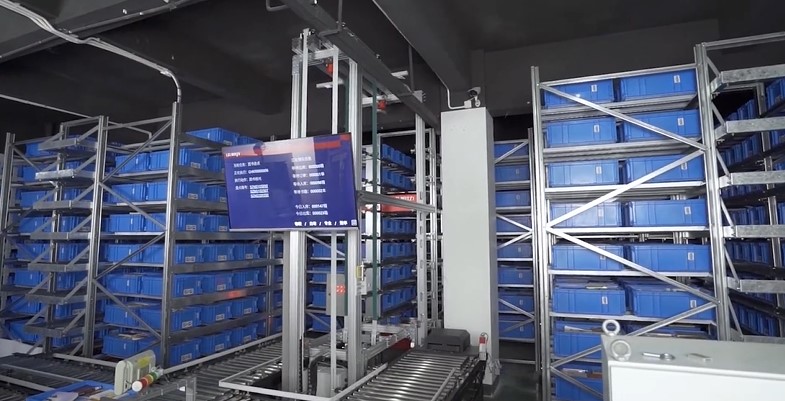
The system adopts a modular architecture that enables flexible operation through interconnected yet independent automation modules. By integrating with the library’s online borrowing system, it supports intelligent book retrieval, circulation, and resource management, providing readers with a more efficient and convenient service experience.
Modern libraries are facing challenges from continuous growth in book collections, limited storage space, and increasing demands for efficient circulation services. Traditional storage methods make it difficult to fully utilize existing collections and provide fast access to readers.
Nanshan Library required a high-density storage solution to improve space utilization, activate idle book resources, and establish a more intelligent operation model for book storage and borrowing services.

The intelligent library system significantly improved storage efficiency and resource utilization. The solution supports 600,000 books storage capacity with 12,200 tote locations, increasing space utilization by 50% and improving book collection capacity by 30%.
By introducing automated storage and retrieval processes, the library achieved smarter book circulation management, reduced manual workload, and enabled a more efficient borrowing experience with automated book retrieval and delivery services.