GALAXIS Technology has delivered an intelligent warehouse system for WITOL Vacuum Electronic Manufacturing Co., Ltd., a subsidiary of Midea Group.
Founded in 2001, WITOL is a major manufacturer of magnetrons, with an annual production capacity of 30 million units. As production demand increased, the company required a more efficient approach to semi-finished goods storage, material handling, and line-side supply.
GALAXIS developed a new automated warehouse around WITOL’s operating requirements. The system has completed equipment integration and entered trial operation.
Coordinated Automation across Storage and Material Flow
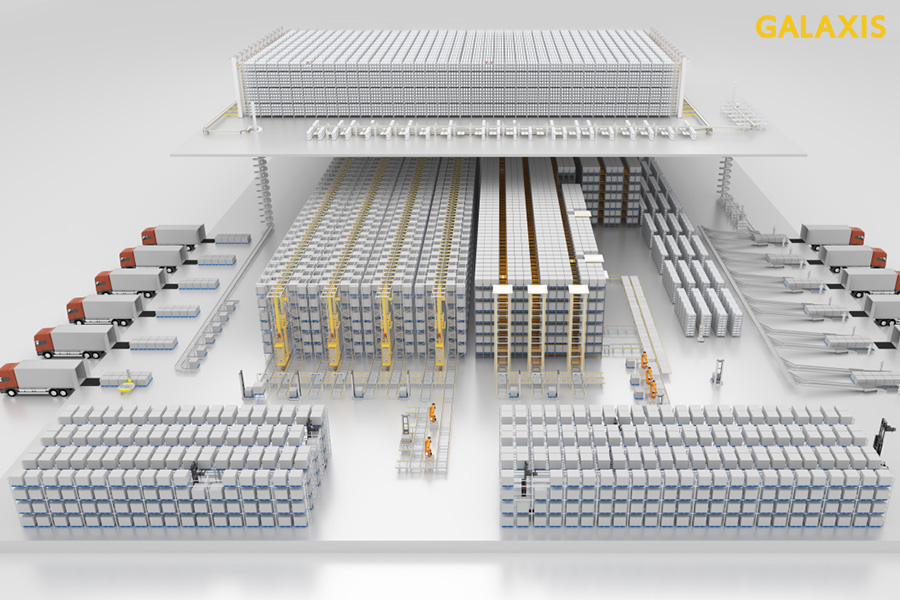
The automated warehouse is located within a 22,000-square-metre logistics centre and provides 29,344 storage locations, together with 1,600 electronic-label picking positions.
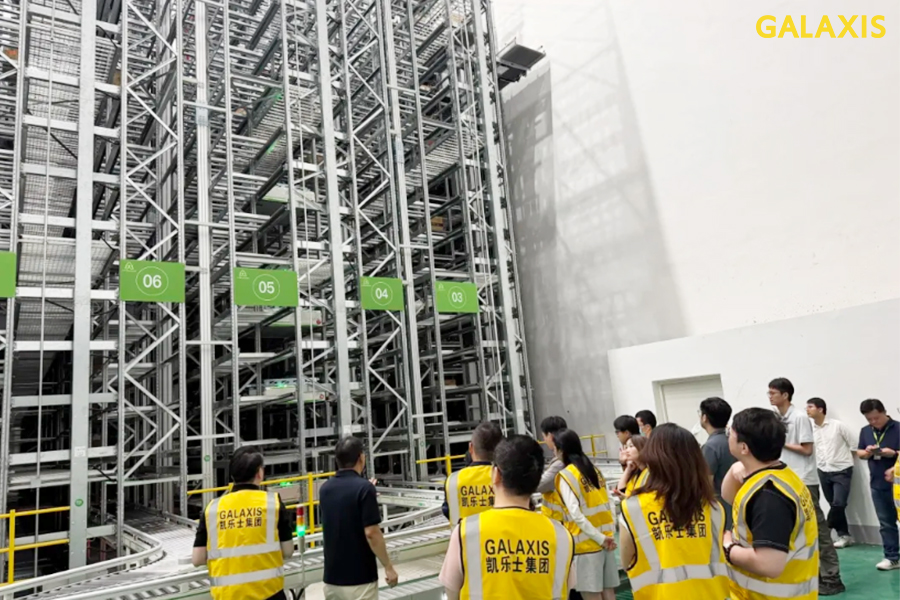
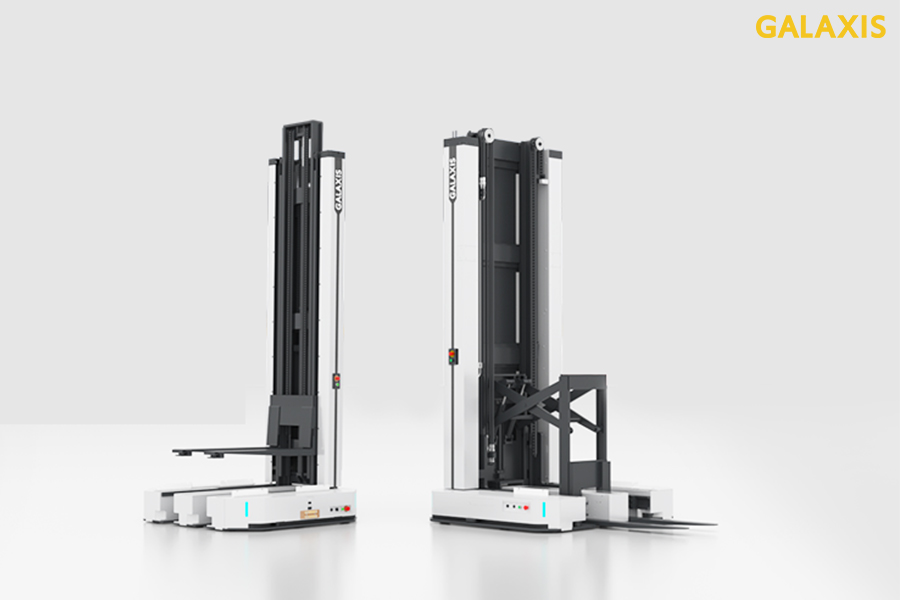
The project deploys 18 GALAXIS four-way shuttle robots. Under the coordination of the WMS, the shuttles work with high-speed lifts, tote conveyors, and AGVs to support receiving, storage, retrieval, and material delivery to assembly lines and finished-goods areas.
The system replaces logistics processes previously dependent on manual handling and forklifts. It supports automated inbound and outbound operations, digital inventory management, high-density storage, connected information flow, and visualized safety monitoring.
Designed for High-Throughput Operations
The system was planned to achieve:
Inbound throughput of 845 totes per hour
Outbound throughput of 547 totes per hour
Combined finished-goods handling throughput of 96 pallets per hour
GALAXIS shuttle robots can move both longitudinally and laterally within the racking system. Based on system instructions, they travel to assigned storage locations to complete automated identification, storage, and retrieval tasks.
Combined with high-speed lifts, the shuttle system supports flexible warehouse layouts and efficient movement between storage levels.
Supporting More Automated Manufacturing
The project forms part of Midea’s wider development in intelligent, automated, and digital manufacturing.
Through the integration of software and automated equipment, the warehouse supports highly automated material flow from receiving through production supply and finished-goods handling. The system reduces manual intervention and provides a more efficient foundation for future manufacturing upgrades.