Copyright © 2026 GALAXIS TECHNOLOGY. All rights reserved.

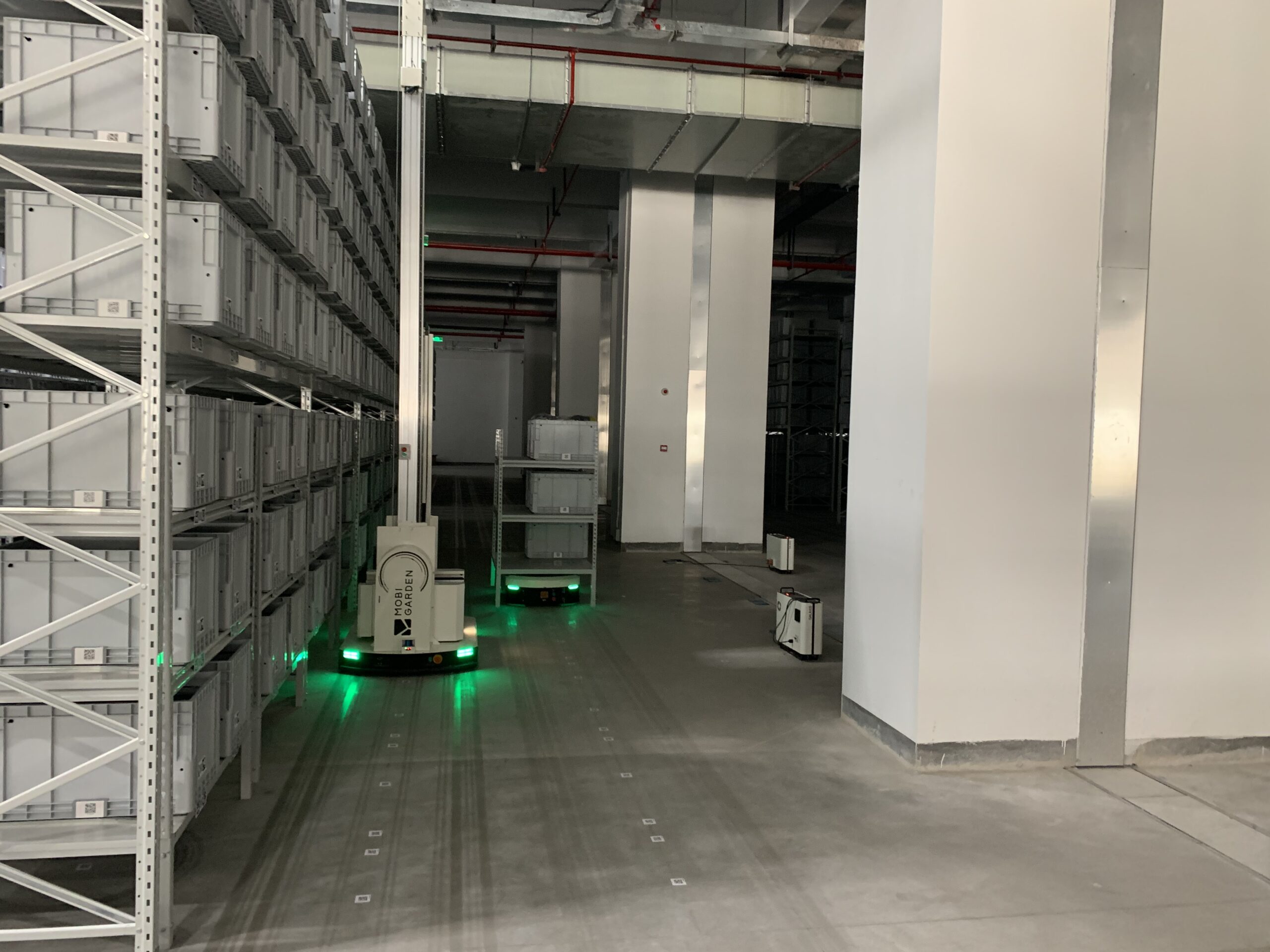
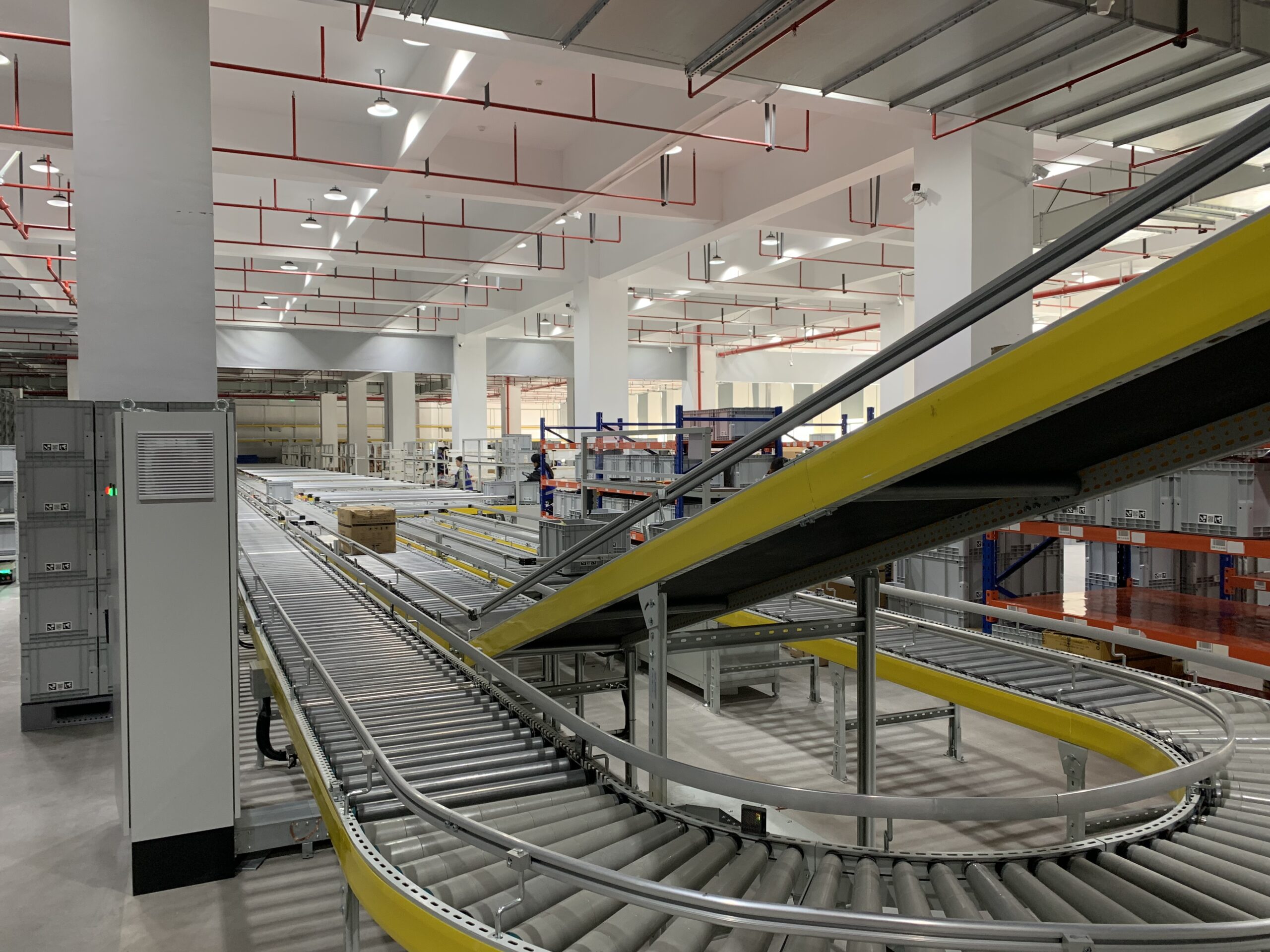
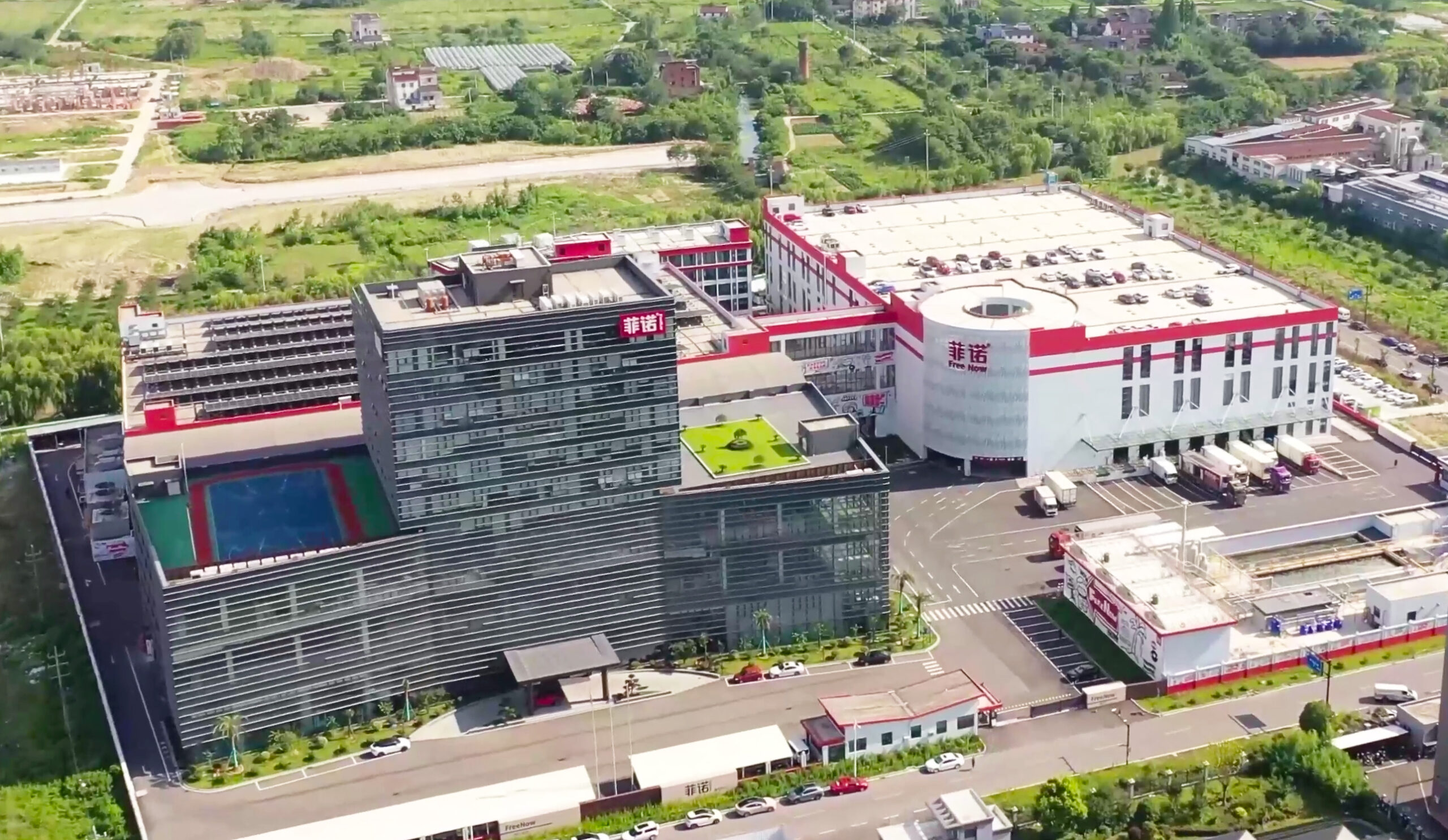
As a pioneer in China’s camping industry, Mobi Garden is one of the earliest factories in the country fully dedicated to the production of camping products. To keep pace with rapidly growing business demand, Mobi Garden has carefully designed and implemented a comprehensive smart assembly and warehousing integration project in Quzhou, significantly enhancing smart assembly capabilities and expanding logistics and storage capacity.
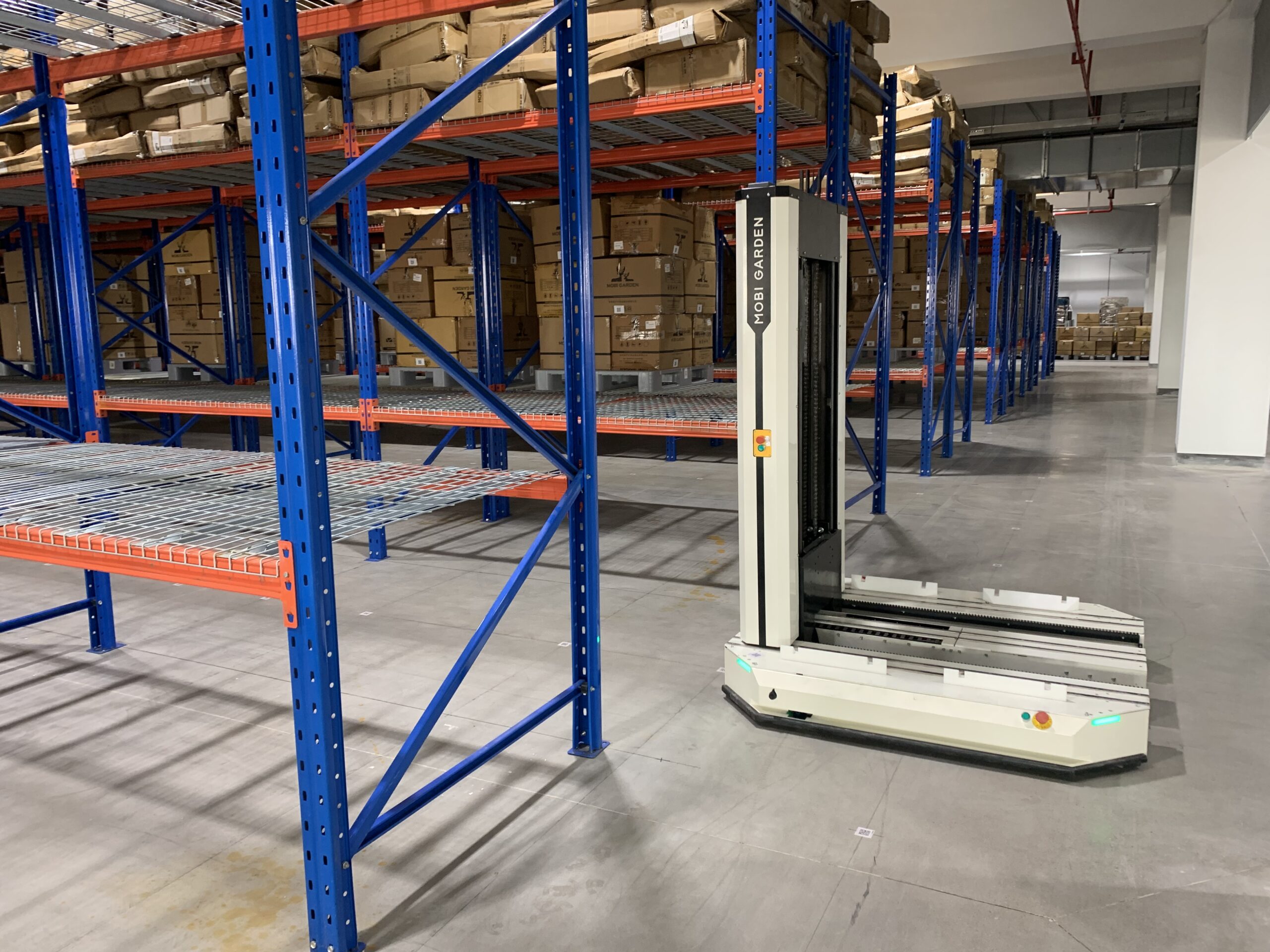
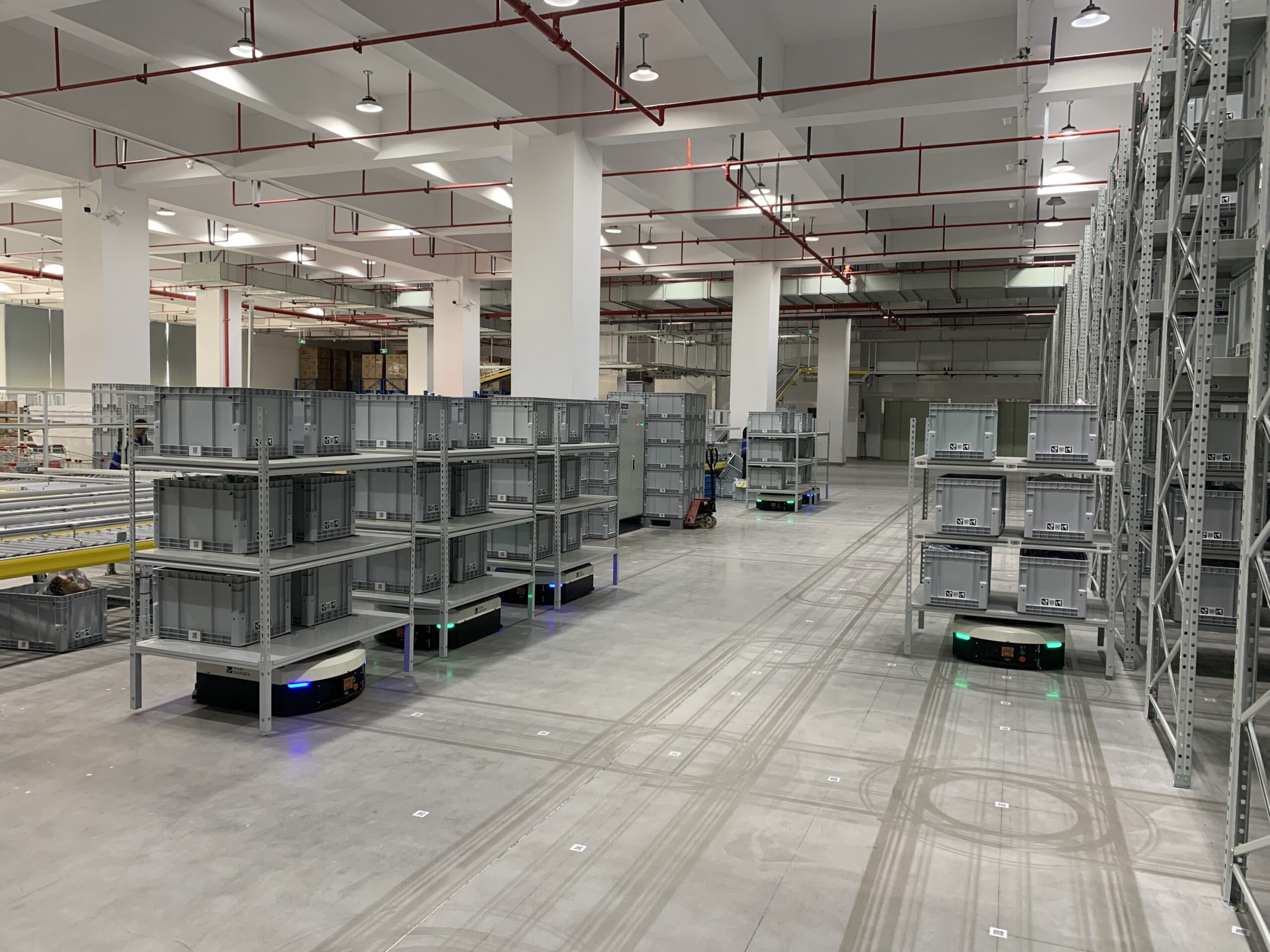
In the fashion and outdoor goods manufacturing industry, logistics systems must support high SKU turnover, seasonal demand volatility, and multiple sales channels including both B2B and B2C operations. The industry is characterized by fast product iteration cycles, high return rates, and complex in-warehouse circulation, which place significant pressure on warehouse efficiency and operational flexibility.
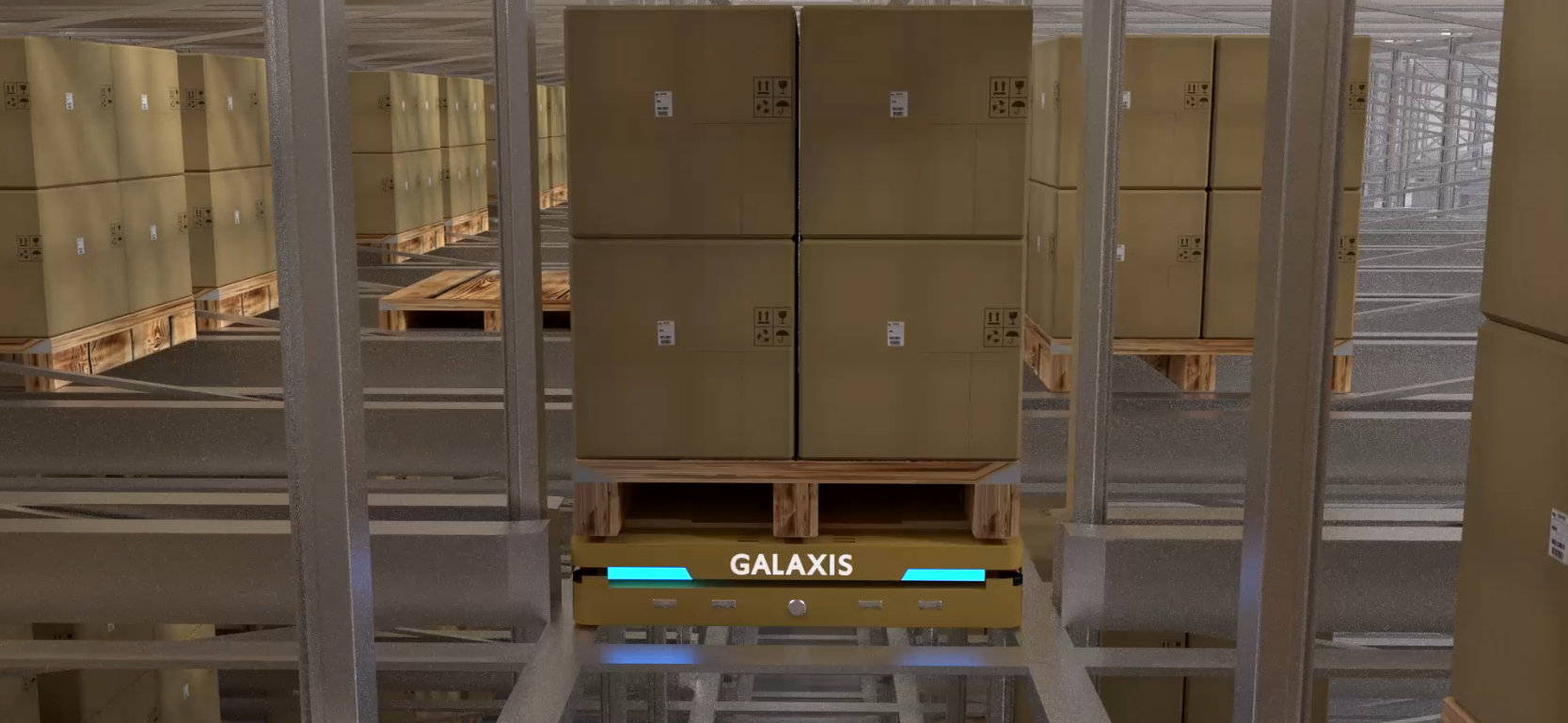
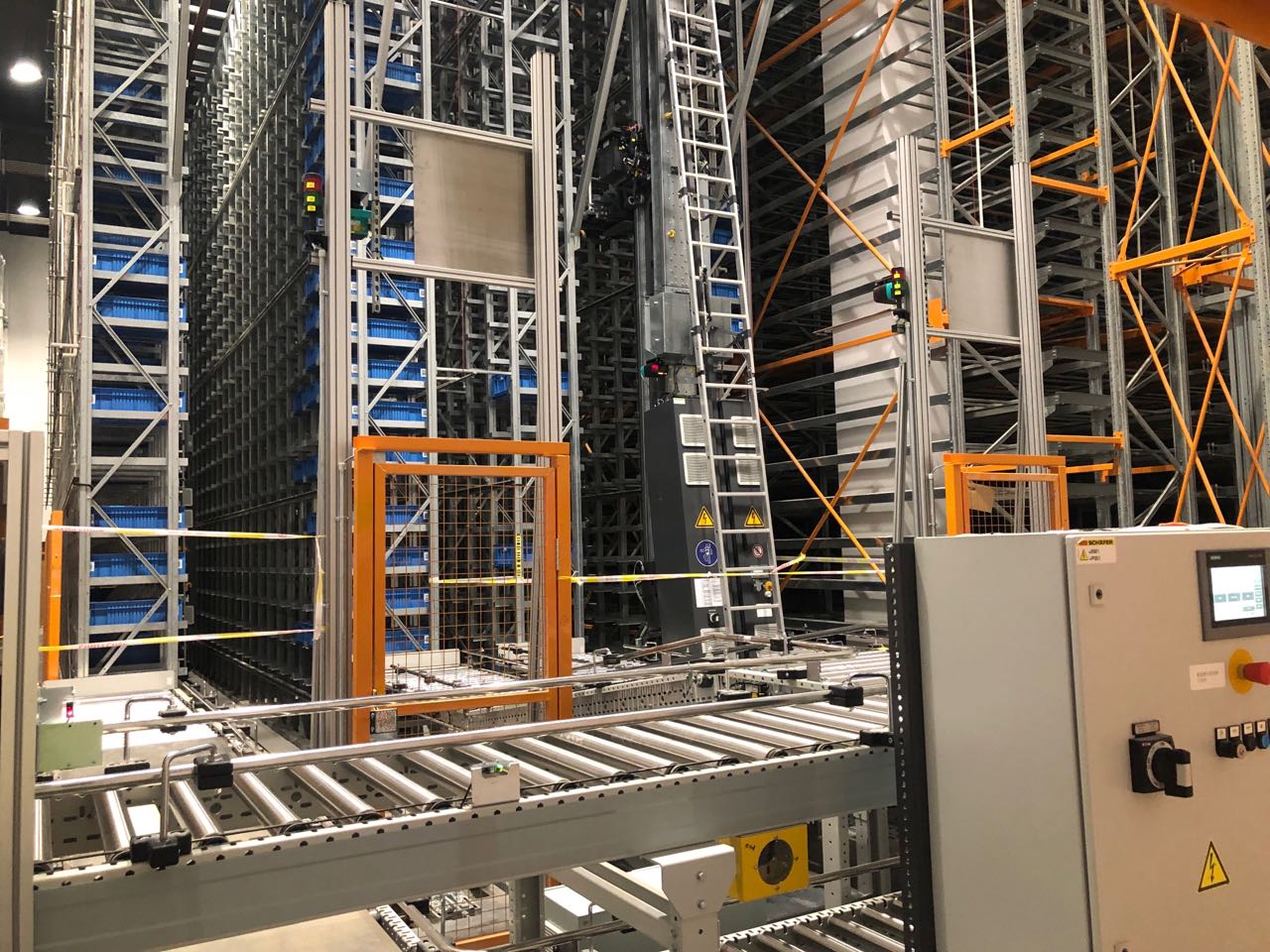
Customer pain points include the coexistence of B2B and B2C business models with complex order fulfillment processes, fast product turnover and high return rates leading to difficult in-warehouse circulation, and the need to support seasonal peaks and promotional surges. There is also a strong requirement for flexible storage strategies that combine pallet and tote handling, as well as a unified logistics ecosystem integrating multiple robotic systems including MSR, VFR, and AMR to ensure stable and efficient operations.
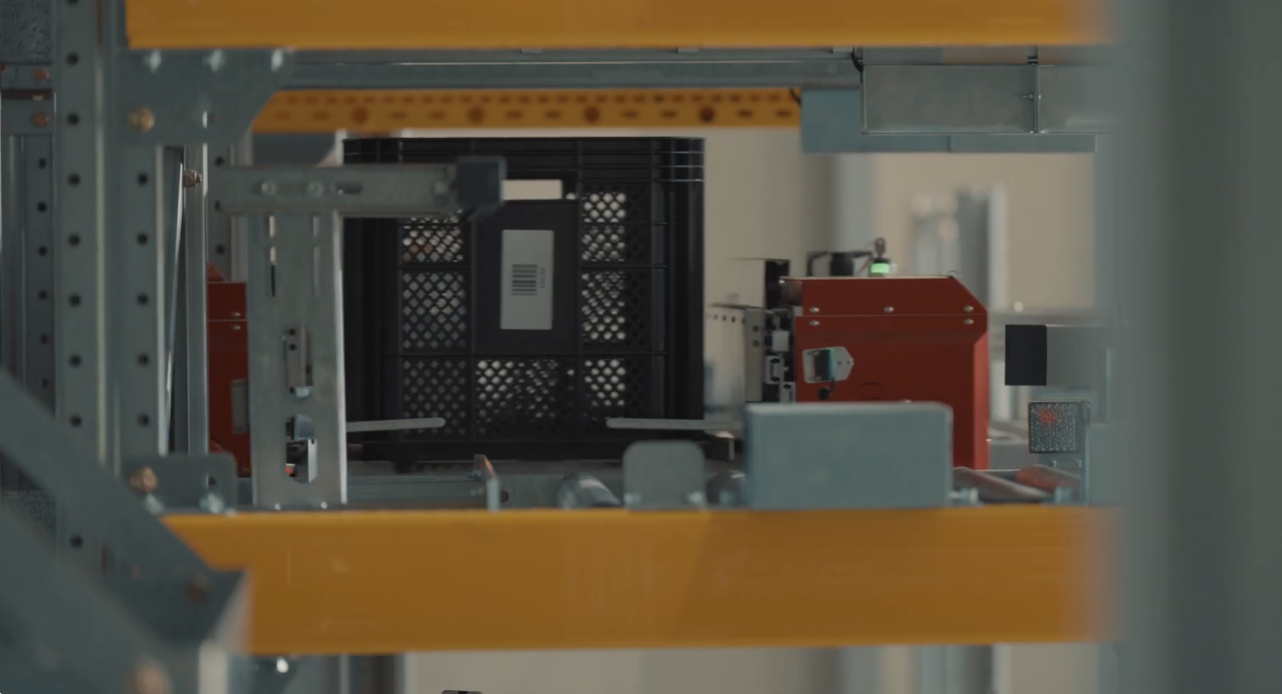
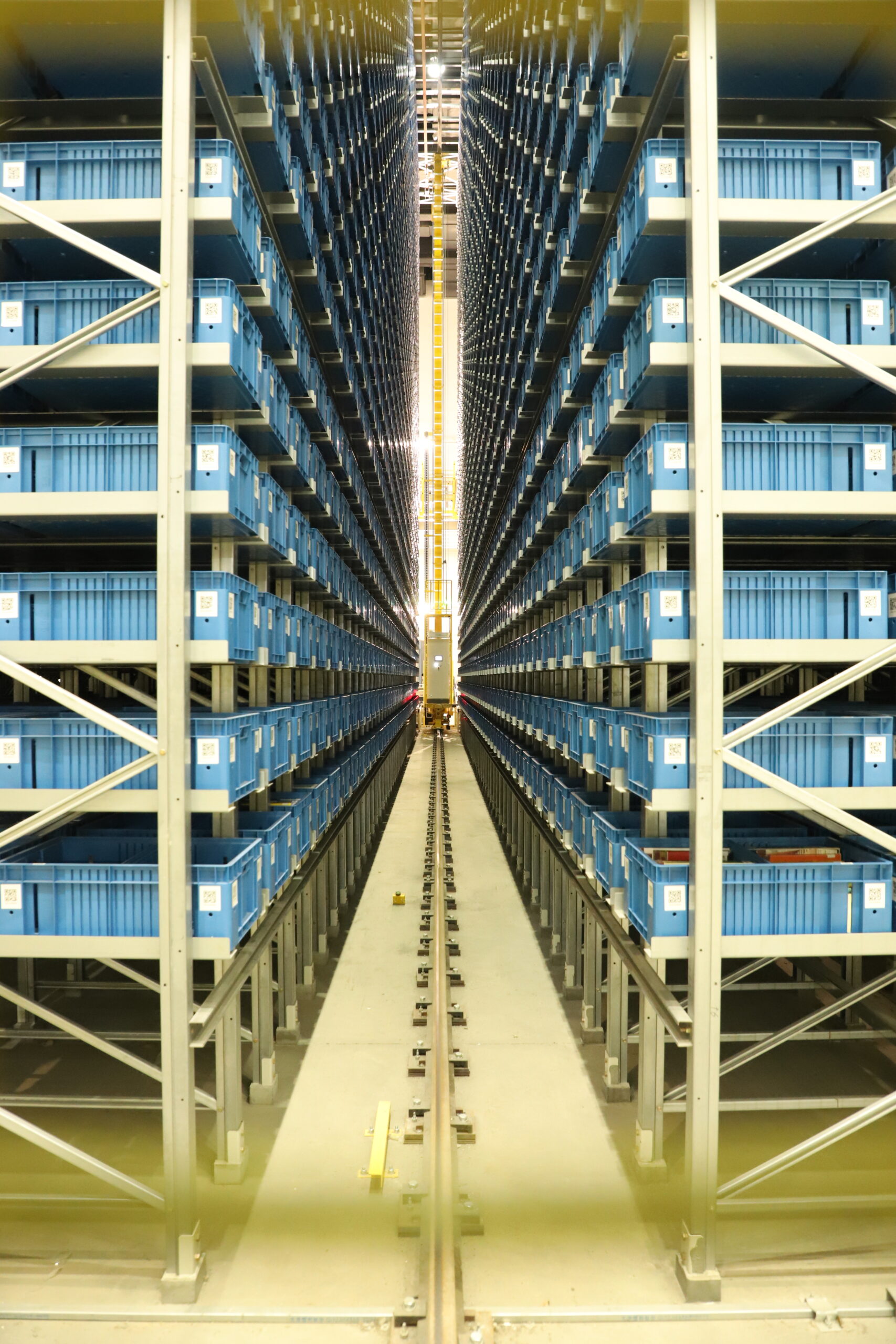
GALAXIS integrates MSR, VFR, AMR, and other robotic systems to build a complete and efficient logistics operation ecosystem, supporting both B2B and B2C operations with built-in flexibility for seasonal peaks and promotional surges, and enabling diverse storage methods combining pallets and totes, forming a unified intelligent logistics system that ensures efficient and flexible warehouse operations.
The solution significantly enhanced storage density and operational flexibility, enabling high-density storage capacity exceeding 28,000 pallet locations and more than 18,000 AMR-supported storage positions. Compared with traditional warehousing operations, the system enabled a 50% improvement in B2C order handling efficiency and a 30% increase in B2B processing efficiency.
The implementation also enabled seamless switching between B2B and B2C business models, greatly improving the responsiveness to seasonal demand fluctuations and promotional peaks. Overall, the project delivered a highly flexible, high-capacity, and intelligent logistics ecosystem that supports rapid business growth and multi-channel fulfillment in the fashion and outdoor industry.